How do I start organizing?

How do I start organizing?
To start organizing effectively, begin by assessing your space and identifying what needs to be organized. Break the task into manageable segments, tackling one area at a time. Sort items into categories: keep, donate, discard, or relocate. Utilize storage solutions like bins and shelves to maximize space. Create a system that works for you, incorporating labels and clear designations. Finally, establish a regular maintenance routine to ensure your organization remains effective over time.
How do I start organizing?
Understanding the Need to Organize
Starting an organizing journey can feel daunting, especially if you’re surrounded by clutter. Understanding why you want to organize your space is the first step toward creating a stress-free home. Take a moment to reflect: What are your goals? Do you seek more space, a cleaner environment, or maybe just a simpler life? Here are a few common motivations behind organizing:
- Reducing stress and anxiety caused by clutter
- Creating a welcoming home for guests
- Enhancing focus and productivity
- Saving time by knowing where everything is
Assess Your Space: The Decluttering Process
The decluttering process involves taking a close look at every area of your home and assessing what you truly need. Here’s how to get started:
- Choose a space: Select one room or area to focus on. Breaking it down will make the task feel more manageable.
- Schedule time: Dedicate a specific time slot in your week to work on this project. Treat it like an important meeting.
- Evaluate items: Go through all your belongings, asking yourself if they serve a purpose or bring you joy. If not, it may be time to let them go.
Set Up a Decluttering System
Organizing efficiently requires a system. Implementing a clear method can streamline the decluttering process:
- Four-box method: Label four boxes as “Keep,” “Donate,” “Trash,” and “Sell.” As you sort items, place them in the appropriate box.
- One in, one out: For every new item that comes in, consider removing an existing one. This helps maintain balance in your space.
- The 30-Day Rule: If you have not used an item in the past 30 days, it’s likely you don’t need it. This is a helpful guideline for making decisions.
Creating Functional Spaces with Storage Solutions
Once you’ve decluttered, it’s time to create functional spaces with effective storage solutions. Here are practical strategies to maximize your organization:
- Buckets and baskets: Use decorative baskets for items that clutter surfaces. They add style while being functional.
- Vertical space: Don’t forget about vertical storage. Shelving and hooks can free up floor space while keeping essentials at hand.
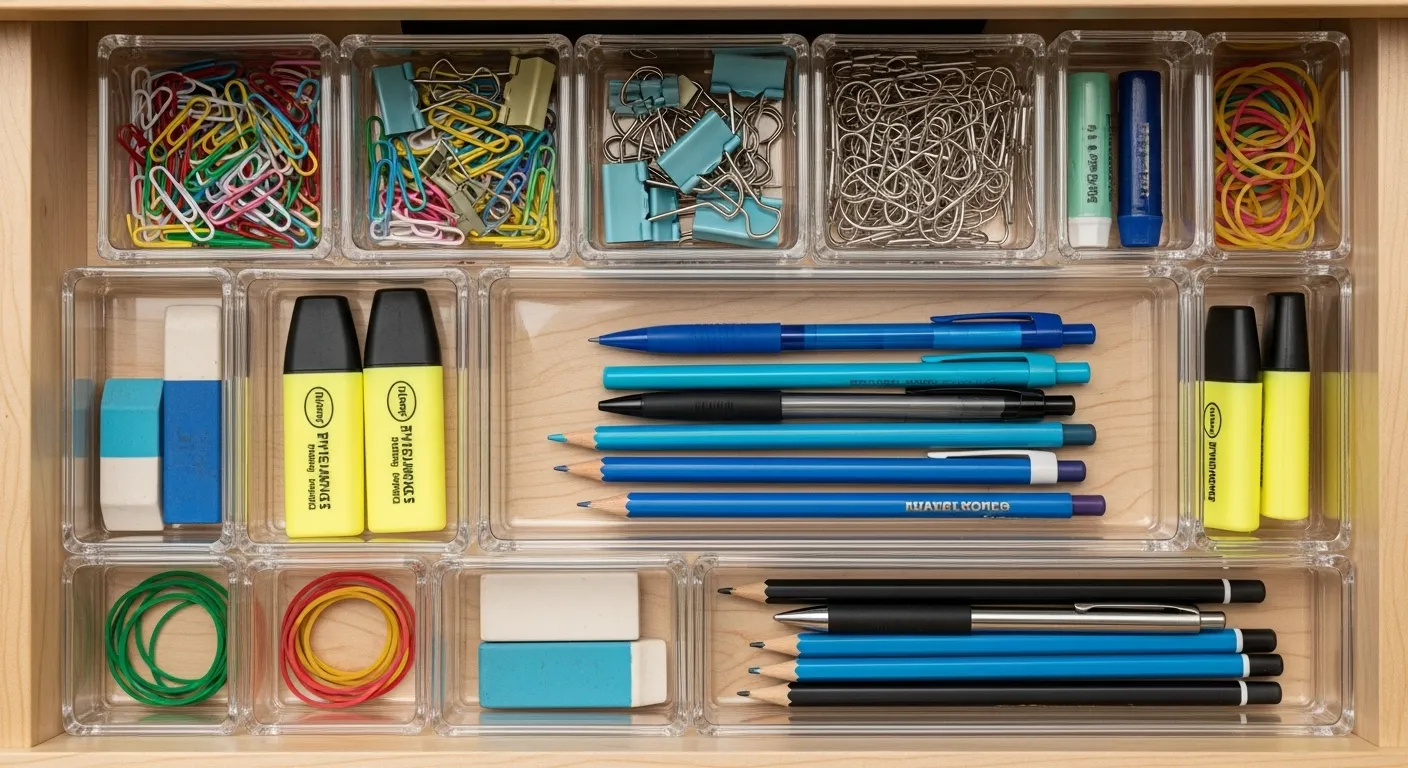
- Drawer dividers: Invest in drawer organizers to keep utensils, office supplies, or personal items sorted and easily accessible.
Establishing Simple Cleaning Routines
Keeping your home organized goes hand-in-hand with effective cleaning routines. Integrating cleaning into your daily schedule can help maintain order:
- Daily tasks: Spend 15-20 minutes each day tackling small chores like wiping counters and tidying up living spaces.
- Weekly deep cleaning: Choose one day a week to focus on larger tasks such as vacuuming or washing linens. Dividing chores will prevent overwhelming backlogs.
- Involve the whole family: Delegate age-appropriate tasks to family members. Making it a team effort fosters responsibility and eases the workload.
Time Management Basics for Organizing
Effective organization isn’t just about physical space; it also involves managing your time. Here are simple techniques that can enhance your efficiency:
- Time blocking: Block out specific times on your calendar for organizing tasks and stick to them as non-negotiable appointments.
- Prioritize tasks: Tackle the most impactful tasks first. This will help you feel accomplished and motivated to keep going.
- Limit distractions: Create a focused environment by eliminating distractions during your organizing sessions. Turn off notifications and set a timer.
Room by Room Organization Strategies
It’s often easier to organize one room at a time. Here are practical strategies for common areas in the home:
Living Room
- Use multi-functional furniture with storage space.
- Keep only essential items on tables to minimize clutter.
- Regularly donate items you no longer use or enjoy.
Kitchen
- Store frequently used items within easy reach.
- Organize pantry by grouping similar items together.
- Rotate food in your pantry to ensure nothing goes to waste.
Bedroom
- Keep surfaces clear to create a calm environment.
- Invest in under-bed storage for off-season clothing.
- Designate a “clothes drop-off” area for items that need to be put away.
Bathroom
- Utilize drawer dividers to keep beauty and hygiene items organized.
- Regularly dispose of expired products.
- Use wall-mounted storage for towels and toiletries.
Developing Minimalist Routines
Adopting minimalist routines can lead to a more organized lifestyle. Here are steps to implement minimalist strategies effectively:
- Mindful shopping: Before purchasing, evaluate if the item is necessary and if it will add value to your life.
- Learn to love simplicity: Embrace the idea that having fewer items can lead to a more peaceful and focused life.
- Regular reviews: Schedule quarterly revisits of your possessions to ensure they align with your values and needs.
Creating Checklists and Planners for Ongoing Success
To maintain your organized space and routines, checklists and planners can become invaluable tools:
- Create a weekly checklist: List daily tasks and larger projects that need to be addressed to keep clutter at bay.
- Plan for seasonal changes: Adjust your organizing strategies based on seasonal needs, such as winter gear or summer decorations.
- Reflect and adjust: Regularly assess your organizational systems after each season to tweak what works and what doesn’t.
Starting your organizing journey is a step toward a more peaceful, efficient, and joyful life. By laying the groundwork with understanding, establishing effective systems, and setting realistic goals, you can create a home that reflects the life you want to live—one that is uncluttered and stress-free. Remember, the key is consistency. Take one step at a time, and celebrate each small victory along the way!

Related Articles
Our Categories:
-
⭐ Organization & Practical Living: Seu guia fundamental para criar um lar funcional, implementar sistemas de eficiência e construir uma vida cotidiana mais organizada e livre de estresse.
-
🏠 Home Organization: Guias fundamentais e planos sistemáticos para organizar cada cômodo, garantindo um layout de casa eficiente e livre de desordem.
-
✨ Decluttering Tips: Estratégias acionáveis, conselhos de especialistas e métodos passo a passo para simplificar seu espaço, reduzir pertences e manter uma mentalidade minimalista.
-
🧼 Cleaning Routines: Checklists eficientes, truques de limpeza rápida e recomendações de produtos sustentáveis para manter uma casa limpa e brilhante sem estresse.
-
📦 Storage Solutions: Ideias criativas e práticas para maximizar cada centímetro de espaço, utilizando armazenamento vertical e investindo em recipientes inteligentes e funcionais.
-
🗺️ Room By Room Guides: Tutoriais detalhados e específicos, e checklists para organização profunda e estilo de áreas individuais como cozinha, quarto e hall de entrada.
-
💡 Daily Life Hacks: Dicas rápidas e inteligentes, e ajustes simples na rotina diária que economizam tempo, aumentam a energia e tornam a vida cotidiana mais fácil de gerenciar.
-
⏳ Time Management Basics: Métodos simples e técnicas fundamentais para planejar, priorizar tarefas, definir metas e implementar o time-blocking para maximizar a produtividade.
-
✅ Checklists And Planners: Modelos para impressão, ferramentas e sistemas para planejar refeições, manutenção doméstica, mudança e rastreamento de tarefas para manter a vida funcionando perfeitamente.

How Do I Start Organizing?
Getting your finances organized can seem daunting, but with the right approach, you can take control of your financial life effortlessly. Many people struggle to know where to begin, often feeling overwhelmed by bills, budgeting, and savings. The first step is to clearly define your financial goals, which will guide your organization efforts. Start small by sorting through financial documents, creating a budget, and tracking your spending. With determination and the right tools, organizing your finances will not only help you manage your money better but also reduce stress and open doors to new opportunities.
Conclusion
Organizing your finances is essential for achieving financial stability and peace of mind. By starting with clear goals and a systematic approach, you can effectively manage your budget, track expenses, and plan for future needs. Whether it’s creating a simple spreadsheet, using budgeting apps, or consulting with financial experts, the strategies at your disposal can be tailored to fit your lifestyle. Remember, the key is consistency and commitment. With each step you take toward organizing, you’ll feel more empowered in your financial journey. Take the plunge today and enjoy the benefits of a well-organized financial life!
Frequently Asked Questions
What is the first step in organizing my finances?
The first step is to clearly define your financial goals, such as saving for a home, retirement, or paying off debt. This will guide your organization process.
How do I create a budget?
To create a budget, list your income and all your expenses. Track where your money goes and categorize expenses into needs and wants. Use tools like spreadsheets or budgeting apps to help.
What documents should I organize for my finances?
Organize important documents like bank statements, tax returns, loan agreements, and insurance policies. Keep them in a secure place, either physically or digitally.
How often should I review my budget?
It’s advisable to review your budget monthly to see how you’re tracking against your goals. Adjust as needed to reflect any changes in your income or expenses.
What tools can help me organize my finances?
Consider using budgeting apps like Mint or YNAB, spreadsheets like Excel or Google Sheets, and personal finance software that can help keep track of your finances efficiently.
How do I track my expenses effectively?
You can track expenses by keeping receipts, using expense tracking apps, or maintaining a digital spreadsheet. Choose a method that is user-friendly for you.
Is it important to have an emergency fund?
Yes, an emergency fund is critical as it can cover unexpected expenses without disrupting your budget. Aim to save three to six months’ worth of living expenses.
What are common financial pitfalls to avoid?
Common pitfalls include overspending, neglecting to save, accumulating debt, and failing to have adequate insurance. Stay aware of these to better organize your finances.
How can I reduce my monthly expenses?
Review all your subscriptions, shopping habits, and utilities. Look for areas to cut back, such as dining out less or switching to more affordable services.
Should I hire a financial advisor?
Hiring a financial advisor can be beneficial, especially if you have complex financial situations. They provide tailored advice and help improve your financial organization.
How do I set financial goals?
Set specific, measurable, achievable, relevant, and time-bound (SMART) goals. Determine what you want to achieve and create a plan to reach those objectives.
What is the 50/30/20 rule?
The 50/30/20 rule suggests allocating 50% of your income to needs, 30% to wants, and 20% to savings and debt repayment. It’s a simple budgeting method to follow.
How can I teach kids about money management?
Introduce concepts like saving, budgeting, and spending from an early age. Use real-life examples and encourage them to save their allowance or earnings.
What are the benefits of financial organization?
Financial organization reduces stress, increases clarity about your financial situation, helps you reach your goals faster, and allows for smart investments and savings.
How do I stay motivated to keep my finances organized?
Set small milestones, celebrate achievements, stay committed to your goals, and regularly track your progress. Share your journey with supportive friends or family for added motivation.